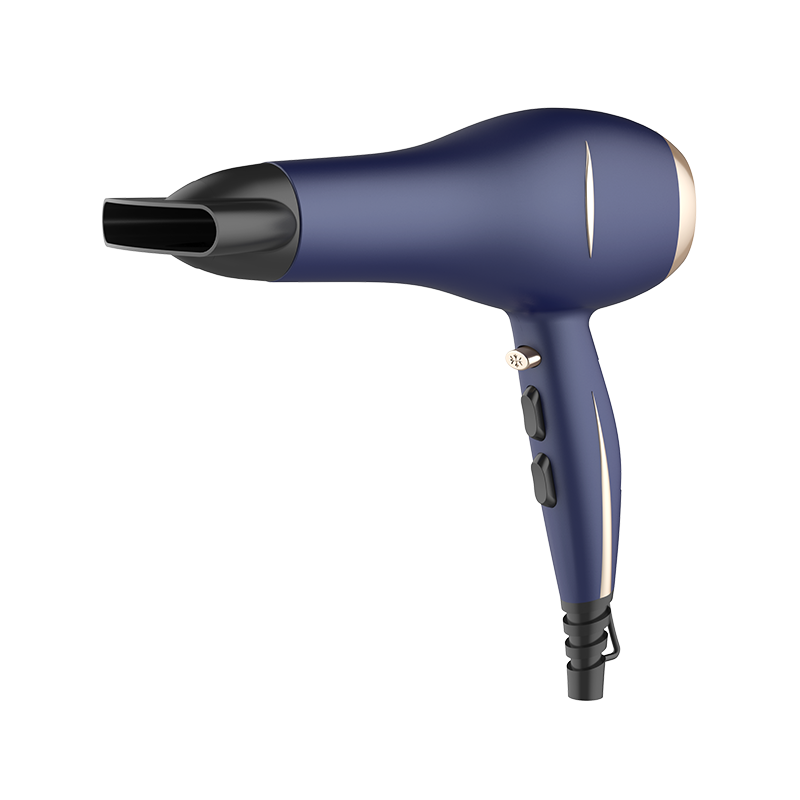
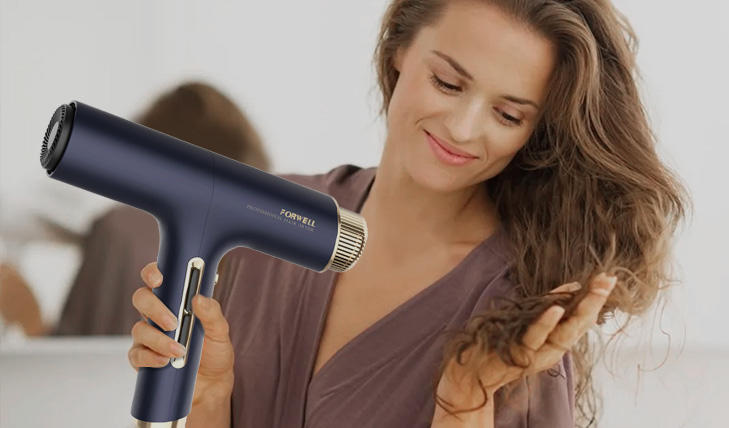
1. Introduction Household hair dryers are an indispensable tool for fast and convenient hair styling. They allow you to achieve sleek, voluminous, or curly styles at home without spending hours at a salon. However, excessive heat exposure can strip hair of its natural moisture, causing dryness, split ends, and frizz. The key to minimizing damage is understanding how to use your hair dryer correctly and combining it with protective products and techniques. 2. Use the Right Heat Setting Not all hair types need high heat to dry effectively. Using the wrong heat setting can result in broken hair strands, dullness, and frizz. Fine or damaged hair: Use low or medium heat to avoid excessive drying. Thick or coarse hair: Medium to high heat can be used, but ensure consistent movement of the dryer to prevent hotspots. Tip: Begin at a lower heat and increase gradually if necessary. This protects hair cuticles while still allowing efficient drying. 3. Apply Heat Protectant Products Before using a hair dryer, applying a heat protectant is essential. These products coat hair strands, helping to maintain moisture and reduce damage from high temperatures. Recommended practices: Use silicone-based serums for added shine and smoothness. Spray-on protectants with UV filters can help prevent environmental damage. Apply evenly from roots to tips to ensure complete protection. Common Heat Protectant Products and Benefits Product Type Key Benefits Best For Silicone Serum Adds shine, smooths frizz All hair types, especially dry or frizzy hair Spray Protectant Protects against heat & UV damage Fine or color-treated hair Cream or Lotion Adds moisture & reduces static Thick or coarse hair Oil-Based Protectant Deep conditioning & heat shield Curly or chemically-treated hair 4. Keep the Dryer Moving One of the most common mistakes when using a hair dryer is keeping it stationary. Holding the dryer in one spot concentrates heat, which can lead to split ends and uneven frizz. Tips for proper use: Use a sweeping motion from roots to tips. Maintain a distance of 6–8 inches from the hair to avoid overheating. Move the dryer continuously around each section until it is fully dry. 5. Maintain a Safe Distance Maintaining an optimal distance from the hair prevents overheating and protects hair cuticles. Recommended distance: 6–8 inches (15–20 cm) from hair strands. Holding the dryer too close can scorch hair, while being too far reduces drying efficiency. Adjustable nozzles can help focus airflow without causing excessive heat damage. 6. Use the Cool Shot Feature Most modern hair dryers feature a cool shot button that emits cold air to lock in styles. Benefits: Closes hair cuticles for a smoother finish. Reduces frizz by preventing moisture loss. Helps maintain curl definition or sleek straight hair after blow-drying. 7. Divide Hair into Sections Drying hair in sections ensures that heat is evenly distributed and minimizes damage. How to section hair: Use clips to separate hair into 4–6 sections. Dry each section individually, starting from the bottom layers and moving upward. This method speeds up drying time and prevents over-drying certain areas. 8. Use a Diffuser for Curly Hair For curly or wavy hair, a diffuser attachment is highly beneficial. Advantages: Reduces frizz by dispersing airflow gently. Maintains natural curl patterns without flattening. Allows for scrunching hair gently while drying, enhancing volume and bounce. 9. Dry Hair 80% Before Styling Blow-drying soaking wet hair increases exposure to heat, making it prone to damage. Tips: Pat hair dry with a microfiber towel or T-shirt to remove excess water. Proceed with blow-drying only when hair is about 80% dry. This reduces drying time and limits frizz formation. 10. Regular Hair Care and Maintenance Healthy hair withstands heat better and styles more effectively. Recommendations: Trim split ends every 6–8 weeks. Use moisturizing shampoos and conditioners suited to your hair type. Apply weekly deep-conditioning masks for added protection. Avoid excessive chemical treatments that weaken hair strands. FAQ Q1: Can I blow-dry my hair daily without damage?A: Yes, if you use low heat, a heat protectant, and proper techniques such as sectioning and maintaining distance. Q2: Which type of hair dryer reduces frizz best?A: Ionic or ceramic hair dryers are ideal, as they emit negative ions that smooth hair cuticles and minimize static. Q3: Should I let hair air-dry partially before using a dryer?A: Yes, removing excess moisture beforehand reduces heat exposure and prevents over-drying. Q4: How do I maintain curls while blow-drying?A: Use a diffuser, low heat, and gently scrunch hair to preserve natural curl patterns. References American Academy of Dermatology, Hair Care Tips for Healthy Hair, 2022. Smith, J., Hair Styling Tools and Techniques, 2021. International Journal of Trichology, Effects of Heat Styling on Hair Health, 2020. Hair Research Institute, Best Practices for Blow-Drying and Heat Protection, 2023.
VIEW FULL ARTICLEHair straighteners are one of the most commonly used styling tools in our daily hair care routine. However, if not cleaned properly, they can accumulate hair products, oils, and other residues that affect performance and cause potential damage. To ensure your hair straightener lasts for years, here is a detailed guide on how to clean it properly. 1. Turn Off and Unplug the Hair Straightener Before you start cleaning, the first and most important step is to make sure your hair straightener is turned off and unplugged from the power source. This is essential for your safety. Allow the straightener to cool down completely before handling it. If the device is still hot, cleaning it could lead to burns or accidental injuries. 2. Wipe the Plates with a Soft Cloth The plates of the straightener are where most of the buildup occurs. Hair oils, styling products, and natural hair residue can accumulate over time. Here’s how to clean the plates: Use a soft, microfiber cloth: A microfiber cloth is gentle on the plates and won’t scratch them. It’s ideal for lifting dust and hair product residue. Damp the cloth slightly: Ensure the cloth is damp, not wet. Too much water could seep into the internal parts and cause damage. Gently wipe down the plates: Use gentle pressure to wipe off any visible buildup. Don’t scrub too hard, as this could damage the coating on the plates. Pro Tip: For extra stubborn buildup, use a small amount of warm water (not hot) to dampen the cloth and wipe down the plates again. Avoid using chemical cleaners at this stage as they may damage the surface. 3. Use a Cotton Pad with Isopropyl Alcohol For deeper cleaning, particularly when there is residue from hair gels, sprays, or oils, isopropyl alcohol (70% or higher) is very effective. Alcohol breaks down sticky substances and evaporates quickly, which makes it a great cleaning agent for hair tools. Here’s how to use isopropyl alcohol: Dampen a cotton pad with isopropyl alcohol: Make sure the cotton pad is slightly moist, not dripping wet. Gently wipe the plates: Wipe the plates, focusing on areas where you see buildup. This will help remove any stubborn hair product residues. Be careful not to get alcohol on the exterior: Avoid using alcohol on the outer body of the straightener as it can sometimes cause discoloration or damage. Isopropyl alcohol is a safe and effective option that quickly dissolves styling product residue without harming the plates or the internal parts of the straightener. 4. Clean the Exterior with Soap and Water While the plates are the most important area to clean, the exterior of your hair straightener also requires attention. The outer body can accumulate dust, dirt, and oils from your hands during use. Here’s how to clean the exterior: Use warm water and mild soap: Fill a small bowl with warm water and add a few drops of mild dish soap or hand soap. Dip a cloth into this soapy solution and wring it out to avoid excess moisture. Gently wipe down the exterior: Wipe the handle and outer body, ensuring not to let water drip into the internal electronics. Pay attention to the grip area and any buttons or switches. Dry thoroughly: After cleaning, use a dry cloth to wipe off any moisture from the body of the straightener. 5. Check for Burnt Residues or Build-Up Over time, burnt residues from styling products like hairspray or gel can accumulate on the plates, leading to discoloration or a rough texture. This can impact the straightener’s effectiveness. Here’s how to clean these stubborn spots: Create a baking soda paste: Mix 1 tablespoon of baking soda with enough water to create a thick paste. Apply gently: Use a cotton ball or soft cloth to apply the paste to the stained areas. Let it sit for 5-10 minutes to loosen the residue. Gently scrub: After letting the paste sit, gently scrub the affected areas with a soft toothbrush or a cloth. Be careful not to scratch the plates. Wipe clean: After scrubbing, use a damp cloth to wipe off the paste and any remaining residue. 6. Allow the Straightener to Dry Completely After cleaning your straightener, it’s crucial to allow it to dry completely before plugging it back in. This prevents moisture from seeping into the internal components, which could lead to electrical issues. Let the straightener air-dry for at least 30 minutes: Ensure both the plates and exterior are dry. Avoid using a hairdryer: Don’t speed up the drying process by using another heat tool like a hairdryer, as this could cause damage. 7. Regular Cleaning Routine To keep your hair straightener in top condition, establish a cleaning routine: Clean the plates: Clean the plates with a microfiber cloth and alcohol at least once every 1-2 weeks, depending on how often you use the device and the types of products you apply to your hair. Clean the exterior: Wipe down the exterior after every use, especially if you notice it getting oily or dirty. Check for damage: Occasionally check for any wear or damage to the plates or the cord. If the cord is frayed or the plates are scratched, it may be time for a replacement. Additional Tips for Maintaining Your Hair Straightener: Tip Why It’s Important Avoid using on wet hair Using the straightener on wet hair can cause the plates to corrode or damage your hair. Store properly Store your straightener in a dry, cool place. Avoid leaving it on a hot surface. Use a heat mat A heat-resistant mat protects your surfaces from heat damage and helps preserve the straightener’s lifespan.
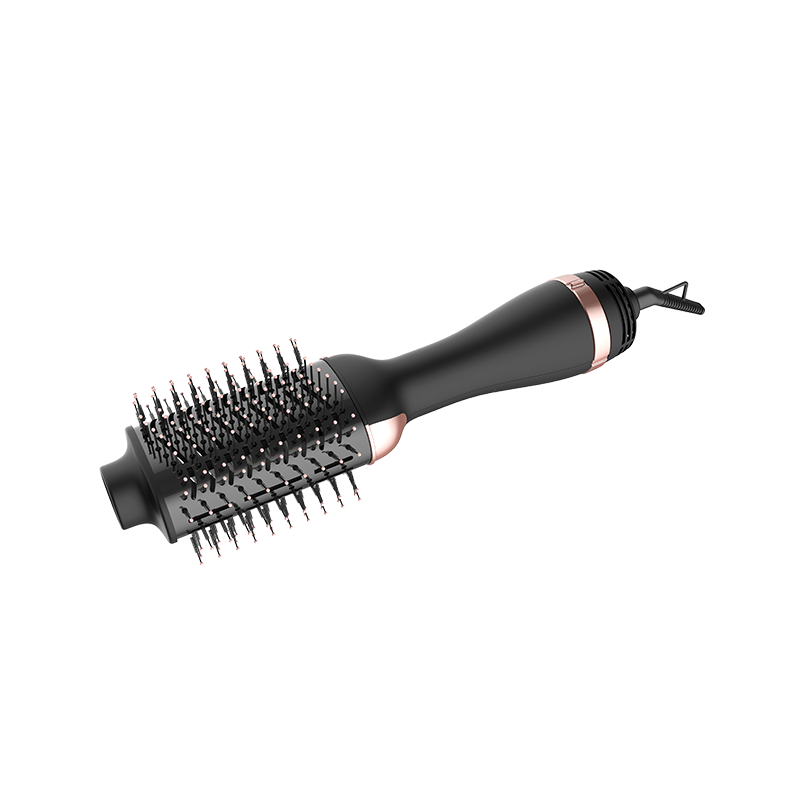
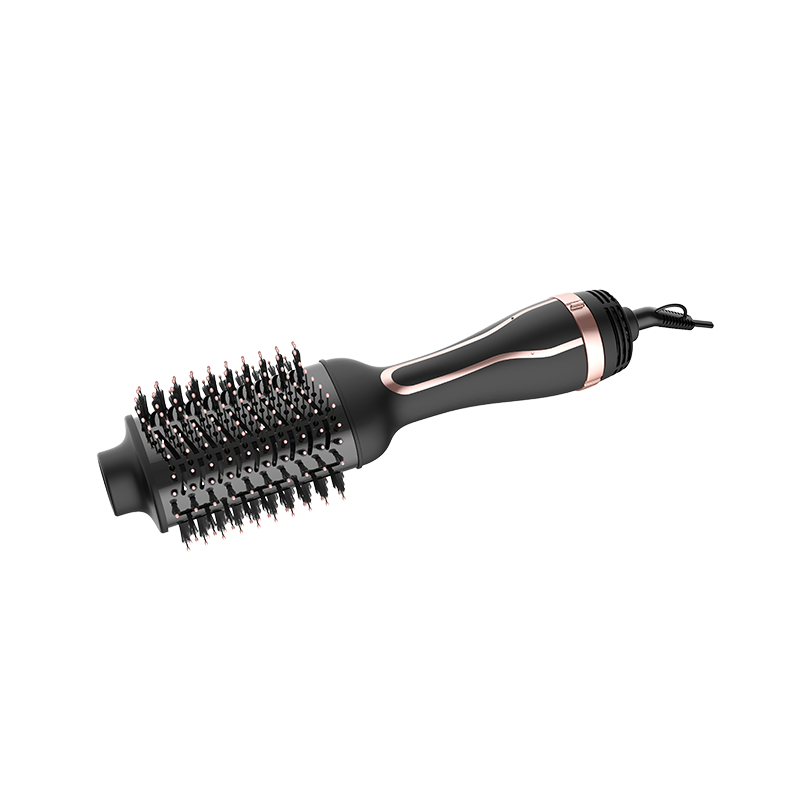
VIEW FULL ARTICLEA Voltage Hot Air Brush is a hybrid device combining the functions of a hairdryer and a styling brush. The differences in its internal technical specifications directly determine its performance, suitability for various users, and scope of use. Among the numerous parameters, voltage, wattage, heat control, and brush head material are the core elements that differentiate models and impact the user experience. 1. Core Difference: Voltage Type Voltage is the most fundamental and restrictive specification of a hot air brush. It determines whether the product can be safely used in different countries or regions. Voltage Type Applicable Voltage Range Example Regions Key Characteristics and Limitations Single Voltage $110V \pm 10V$ or $220V \pm 20V$ North America, Japan ($110V-120V$); China, Europe, Australia ($220V-240V$) Highly restrictive. Can only be used in a single voltage environment. Using a low-voltage product in a high-voltage area can cause the product to burn out; conversely, using a high-voltage product in a low-voltage area will result in insufficient power and poor function. It is generally not recommended to use single-voltage appliances with a voltage converter, as high-wattage devices like hot air brushes can easily overload common converters. Dual/Universal Voltage $100V - 240V$ Global The best choice for travel. Features automatic transformation or manual switching capabilities. Although adaptable to various national voltages, the heating efficiency and power may be reduced in $100V-120V$ regions, making the styling effect potentially less robust than at $220V$. Professional Tip: For users who travel frequently, choosing a universal voltage model is essential. However, keep in mind that universal voltage products still usually require an extra plug adapter to fit the local outlet shape. 2. Performance Foundation: Rated Wattage Wattage (measured in Watts, W) directly reflects the hot air brush’s heating and airflow capabilities, making it a critical parameter for styling speed and results. Low Wattage (Below 800W): Typically found in smaller travel models or hot brushes more focused on curling/straightening definition. They provide gentle heat and are suitable for smoothing and setting shorter or already dry hair. Due to weaker airflow, they are not ideal for quickly drying wet hair. High Wattage (1000W - 1500W): This is the typical wattage range for mainstream 2-in-1 blow dryer styling brushes. High wattage means more powerful airflow and higher thermal efficiency, significantly reducing drying and styling time. This is especially suitable for users with thick, coarse, or long hair. 3. Precise Control: Heat and Speed Settings Advanced hot air brushes offer multiple settings designed to provide fine control for different hair types and styling needs, thereby minimizing heat damage. Multi-Level Settings: A typical configuration includes “Low” (low heat/low speed), “Medium” (medium heat/medium speed), and “High” (high heat/high speed). Low Heat: Suitable for fine, damaged hair, or for setting nearly dry hair. High Heat: Suitable for coarse, thick hair, or for rapid drying when the hair is still wet. Cool Shot: This is a crucial function. After styling is complete, using the cool shot quickly cools the hair, helping the cuticles close. This locks in the style and shine, making the look last longer. Styling tools lacking a cool shot feature often yield less long-lasting results. 4. Surface Technology and Material The surface material of the hot air brush barrel is key to its hair care effect. Ceramic Coating: Provides even heat distribution, preventing hot spots that can scorch the hair, and offering stable, gentle heat. This is the most common protective coating. Tourmaline: This mineral material releases negative ions when heated. Negative ions neutralize the positive charge on the hair, eliminating static and frizz, resulting in smoother, shinier hair. Titanium: Heats up extremely fast and reaches high temperatures. It is ideal for people with very coarse or hard-to-style hair, but requires more cautious use to prevent overheating. 5. Attachments and Design Differences in styling results are primarily reflected in the geometry of the brush head and available attachments. Brush Head Shape and Size: Large Oval Barrel: Specifically designed to create root lift and volume. Round Barrel: Suitable for curling ends or creating waves. Paddle Brush: Primarily used for straightening and smoothing frizz. Bristle Type: Nylon bristles are used for gripping and detangling; Tufted Bristles are used to increase tension at the roots for lifting effects. Ergonomics: Lightweight design, anti-slip handles, and a 360-degree swivel cord are all essential specifications for an excellent product, significantly enhancing the user’s comfort and flexibility during use.
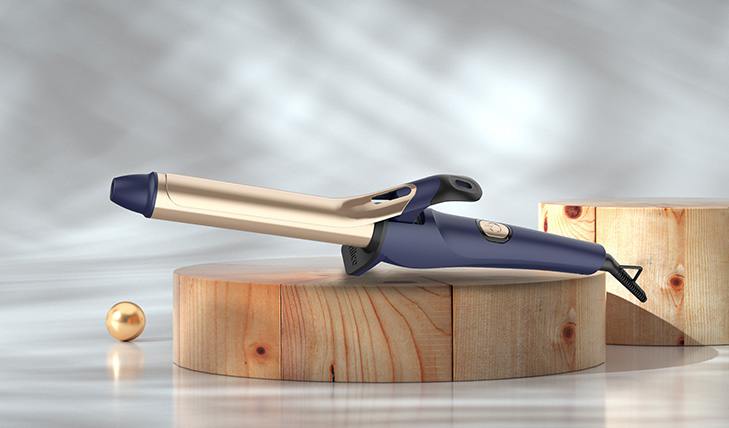
VIEW FULL ARTICLECurling your hair with an iron might seem intimidating at first, especially if you’re new to the process. But with the right approach and a little practice, you can create perfect, long-lasting curls. 1. Choose the Right Curling Iron The first step to creating flawless curls is selecting the appropriate curling iron for your hair type and desired look. Curling irons come in various barrel sizes, materials, and features, so it’s essential to choose the right one for your needs. Barrel Size: Small Barrel (3/4 inch to 1 inch): Best for creating tight curls or defined ringlets. Great for medium to short hair. Medium Barrel (1 inch to 1.25 inches): Ideal for natural, voluminous curls or soft waves. This is the most versatile size, suitable for most hair lengths and types. Large Barrel (1.5 inches or more): Best for loose waves or beachy curls. Perfect for long hair or when you want to achieve a relaxed, tousled look. Barrel Material: Ceramic: Distributes heat evenly and helps reduce frizz, making it suitable for fine or frizzy hair. Tourmaline: Adds shine to the hair and minimizes static, making it a great option for thick, coarse hair. Titanium: Heats up quickly and is ideal for thick, stubborn hair types, as it maintains a consistent temperature. Hair Type Recommended Barrel Size Best Material Fine Hair 3/4 inch to 1 inch Ceramic or Tourmaline Medium Hair 1 inch to 1.25 inches Ceramic Thick or Coarse Hair 1.25 inches or larger Titanium or Tourmaline Short Hair 3/4 inch to 1 inch Ceramic or Tourmaline 2. Prep Your Hair Before you begin curling, prepping your hair is crucial for achieving the best results. Start with clean, dry hair, as product buildup or moisture can prevent curls from holding. Wash and Dry: Start with freshly washed and completely dried hair. If your hair tends to get greasy quickly, consider using dry shampoo to add volume and texture. Heat Protectant: Apply a heat protectant spray to prevent heat damage and minimize frizz. This is especially important if you’re using a high heat setting. Texturizing Product (Optional): If you have fine hair or want more volume, apply a lightweight mousse or texturizing spray to add body and texture to your strands. 3. Section Your Hair To make curling easier and ensure even curls, section your hair into manageable parts. This will help you focus on one area at a time and prevent missing any sections. Divide Your Hair into Layers: Use clips to divide your hair into three to four layers, starting with the bottom layer. You can also create smaller sections if you want tighter curls. Work from Bottom to Top: Always start with the bottom layer and move upwards. This prevents hair from getting in the way and ensures that the curls stay intact. 4. Heat Up Your Curling Iron Turn on your curling iron and let it heat up to the desired temperature. Different hair types require different temperatures for optimal results: Hair Type Recommended Temperature Fine or Damaged Hair 300°F - 350°F (150°C - 175°C) Medium Hair 350°F - 375°F (175°C - 190°C) Thick or Coarse Hair 375°F - 400°F (190°C - 205°C) Using too high a temperature can cause heat damage, so always stick to the recommended heat setting for your hair type. 5. Curl Your Hair Now for the fun part: curling! The technique you use will depend on the type of curls you want to achieve. Take Small Sections: For more defined curls, use smaller sections (around 1 inch wide). For looser waves, you can take larger sections. Wrap Your Hair: Take a section of hair and wrap it around the barrel of the curling iron. Be sure to wrap the hair evenly to avoid flat spots. Hold the curling iron in place for 5-10 seconds, depending on the size of the curl you’re aiming for. For Tight Curls: Wrap the hair tightly around the barrel and hold it longer (around 10 seconds). For Loose Waves: Wrap the hair loosely around the barrel and hold for 5-7 seconds. If you’re using a curling iron with a clamp, you can hold the hair in place by clamping it and wrapping the hair around the barrel. If using a wand, just wrap the hair around the barrel without the clamp. 6. Alternate Curl Directions For a more natural and voluminous look, alternate the direction of your curls. This helps create more texture and prevents the curls from looking too uniform. Away from the Face: Curl some sections away from your face for a soft, flattering look. Toward the Face: Curl other sections toward your face to add more body and depth. This alternation creates a more natural, lived-in curl that looks effortless. 7. Let the Curls Cool Once you’ve finished curling a section, gently release the curl and let it cool down for a few seconds before moving on to the next section. Allowing your curls to cool is important for setting the shape and increasing their longevity. If you want more volume, you can even pin the curls up with bobby pins until they cool completely. 8. Repeat the Process Continue working your way through your hair section by section. As you move to the top layers, be mindful of your curl pattern. If you want a more voluminous look on top, use slightly larger sections or loosen up the curls for that effortless beachy vibe. 9. Finish with Hairspray Once all your curls are set, finish off with a light mist of hairspray to hold the curls in place. Choose a flexible-hold hairspray for natural movement, or a stronger hold spray for longer-lasting curls. Light Hairspray: Ideal for soft, bouncy curls that last all day. Strong Hairspray: Best for keeping tight curls intact throughout the day. 10. Loosen Curls If you prefer a more relaxed, tousled look, gently run your fingers through your curls or use a wide-toothed comb. This breaks up the curls and adds volume and texture. You can also apply a bit of texturizing spray or dry shampoo at the roots for extra lift. Final Tips for Perfect Curls: Don’t Overheat Your Hair: Using excessive heat can cause damage, so avoid setting the temperature too high. Give Yourself Time: Curling takes patience! Allow yourself enough time to work through your hair section by section. Practice Makes Perfect: Don’t worry if your first attempt doesn’t result in perfection. With practice, you’ll get more comfortable and your curls will look even better over time!
VIEW FULL ARTICLEHair straighteners, also known as flat irons, are one of the most popular and effective tools for styling hair. They can transform curly, wavy, or frizzy hair into sleek, smooth strands in a matter of minutes. But how exactly do hair straighteners work? Why are they so effective at achieving such dramatic results? The Basics of Hair Structure To understand how hair straighteners work, it’s essential to first understand the structure of human hair. Hair is primarily made up of a protein called keratin, which forms the core structure of each strand. The hair shaft is composed of three distinct layers: Cuticle: The outermost layer of the hair shaft. This layer consists of flat, overlapping cells that serve as a protective barrier for the inner layers of the hair. Cortex: The middle layer, and the most critical in determining the texture, strength, and color of the hair. The cortex is where the natural curl or wave pattern of the hair resides. This layer contains fibrous proteins and is the target for heat when using a straightener. Medulla: The innermost layer, which is often hollow and only present in thicker hair types. The medulla has little to no impact on hair texture. The shape of the cortex is what gives hair its natural form, whether it’s straight, wavy, or curly. When you use a hair straightener, you’re primarily affecting the structure of this middle layer. The Science Behind Hair Straighteners Hair straighteners work by applying both heat and pressure to alter the structure of the hair. Let’s take a closer look at the science behind this. Heat: The Key to Changing Hair’s Structure Heat is the primary factor in hair straightening. When you run a straightener over your hair, the plates of the straightener heat up to temperatures typically ranging from 300°F (150°C) to 450°F (230°C). The heat is crucial because it affects the hydrogen bonds present in the cortex layer of the hair. These hydrogen bonds are what keep the hair’s natural curl or wave pattern in place. When exposed to heat, these bonds temporarily break, allowing the hair to change shape. Once the hair cools down, the hydrogen bonds reset in their new shape, which results in straightened hair. This is why the effect of a hair straightener is temporary – the hair will return to its natural state if it becomes wet or if the temperature drops. Pressure: Flattening the Hair Cuticle The other key factor in straightening hair is pressure. When you clamp the flat iron plates onto a section of hair, you are not only applying heat but also gently pressing down on the hair strands. The pressure smooths out the cuticle, the outermost layer of the hair, causing it to lie flat against the cortex. When the cuticle lies flat, it creates a smoother surface for the light to reflect off of, which results in shiny, glossy hair. At the same time, the flattened cuticle helps reduce frizz by preventing moisture from escaping the hair, which would otherwise cause the hair to look puffy or frizzy. The Role of Material: Ceramic, Titanium, and Tourmaline Modern hair straighteners are made from a variety of materials that enhance their effectiveness. The most common materials are ceramic, titanium, and tourmaline. Each material has its unique benefits: Ceramic: Ceramic plates are excellent at evenly distributing heat across the hair, preventing hot spots that can cause damage. They are gentle on the hair and are often used in professional-grade straighteners. Ceramic plates also help reduce static and frizz. Titanium: Titanium is known for its durability and fast heat-up time. Titanium plates are also much lighter than ceramic, making them ideal for those who want a quicker styling experience. Titanium plates are best suited for thicker hair as they can handle higher temperatures without causing damage. Tourmaline: Tourmaline is a semi-precious gemstone that is often added to ceramic or titanium plates. It emits negative ions when heated, which helps to neutralize static and frizz, leaving the hair smoother and shinier. Why Are Hair Straighteners So Effective? Hair straighteners are incredibly effective for several reasons. Let’s break down why they work so well in transforming your hair quickly and efficiently. Instant Results One of the main reasons hair straighteners are so effective is that they provide instant results. Whether you’re looking to straighten an entire head of hair or just a few strands, a hair straightener can achieve the desired look in just a few minutes. This instant gratification is one of the main reasons why hair straighteners have become such a popular styling tool. Unlike other methods of straightening hair, such as chemical treatments or perms, straighteners allow you to achieve sleek hair in no time at all. This is ideal for people who need a quick style for daily use or special occasions. Precision Control Hair straighteners offer precision control over your hairstyle. Whether you’re styling a specific section of hair or need to target flyaways around the face, hair straighteners give you complete control. This is particularly useful for people with layered hairstyles, as the flat iron can easily reach the smaller sections of hair. Adjustable Temperature Modern hair straighteners come with adjustable temperature controls, which allows users to customize the heat setting based on their hair type. For example, fine or damaged hair requires lower temperatures (around 300°F or 150°C), while thicker, coarser hair may require higher temperatures (around 400°F or 200°C) to achieve the same straightening effect. Using the right temperature is essential to prevent heat damage. Overheating can lead to breakage, dryness, and split ends, while insufficient heat may not straighten the hair effectively. Material Variety and Technology Today’s hair straighteners come with a variety of materials, such as ceramic, titanium, and tourmaline, that enhance their performance. These materials allow for more even heat distribution, faster styling, and reduced damage to the hair. For example, ceramic plates help evenly distribute heat, reducing the risk of hot spots, while titanium plates heat up quickly and maintain consistent temperatures. The inclusion of tourmaline technology helps eliminate frizz and adds shine to the hair. Key Benefits of Using Hair Straighteners The effectiveness of hair straighteners lies in their ability to provide smooth, straight hair with long-lasting results. Below are some of the key benefits: Frizz Control One of the primary reasons people use hair straighteners is to eliminate frizz. When the heat from the straightener smooths the cuticle down, it reduces the chances of the hair frizzing up, even in humid conditions. This results in hair that looks sleek and polished, even on rainy or humid days. Long-lasting Styles The effects of using a hair straightener typically last all day long. Unlike other styling methods that may need frequent touch-ups, hair that has been straightened with a flat iron stays in place throughout the day, even with exposure to humidity or sweat. Versatility Hair straighteners are highly versatile. While they are primarily used for straightening, they can also be used to create waves, curls, or flips. By adjusting the way you use the flat iron (such as twisting it as you slide it through the hair), you can achieve a variety of different looks. Safety and Hair Health While hair straighteners are highly effective, it’s important to use them properly to avoid potential damage to your hair. Here are a few tips to ensure your hair stays healthy while using a straightener: Use a Heat Protectant Spray Always apply a heat protectant spray before using a hair straightener. These products form a protective barrier on the hair, reducing the damage caused by heat. They also help to lock in moisture, preventing your hair from becoming dry and brittle. Choose the Right Temperature Adjust the temperature on your straightener to match your hair type. Fine hair requires a lower temperature (around 300°F), while thicker hair may need a higher temperature (around 400°F) to straighten effectively. Avoid Overuse Try not to use your hair straightener every day. Excessive heat can cause long-term damage to your hair, leading to breakage and split ends. Give your hair a break to maintain its health and shine.
VIEW FULL ARTICLEStraightening your hair can give you a sleek, smooth look, but it can also cause damage if not done properly. The key to using a hair straightener without causing harm is to follow certain steps and practices that protect your hair from the damaging effects of high heat. 1. Choose the Right Hair Straightener Not all hair straighteners are created equal. The type of plates your straightener uses plays a major role in how much damage it can cause to your hair. Here’s what you should know about different types of plates: Ceramic Plates Ceramic hair straighteners are known for distributing heat evenly across the plates, which prevents hot spots that can scorch your hair. This even heat distribution is less damaging than other materials. Ceramic also helps to retain moisture, making it a good choice for people with dry or damaged hair. Titanium Plates Titanium is a metal that heats up quickly and provides intense heat, making it ideal for thick, coarse, or curly hair. However, titanium straighteners can be too harsh for finer or more delicate hair types, as they can generate heat quickly, which can lead to damage if not used properly. Tourmaline-Coated Plates Tourmaline is a gemstone that is often used as a coating for hair straighteners. It generates negative ions when heated, which help to lock moisture into the hair and reduce frizz. If you have frizzy or dull hair, a tourmaline-coated straightener can help you achieve smoother, shinier results. Plate Material Ideal For Benefits Ceramic Fine, dry, or damaged hair Even heat distribution, moisture retention Titanium Thick, coarse, or curly hair Fast heat, great for thicker hair Tourmaline-Coated Frizzy, dull hair Reduces frizz, adds shine, and moisture By understanding the pros and cons of each plate material, you can select the one that best suits your hair type and styling needs. 2. Use a Heat Protectant Heat protectants are essential when using any kind of heat styling tool. These products form a barrier between your hair and the heat, preventing moisture loss and helping to reduce the risk of damage. Why Heat Protectants Are Important When you use a hair straightener, the heat can strip your hair of its natural moisture, leading to dryness, frizz, and breakage. A heat protectant helps to preserve the moisture in your hair while ensuring that the straightener glides smoothly through your hair without causing excessive friction. How to Apply a Heat Protectant To apply a heat protectant, start by spraying or applying it evenly to dry hair before you begin straightening. Be sure to apply it section by section to ensure that all parts of your hair are covered. Allow the product to dry for a few minutes before you begin styling to ensure it works effectively. 3. Set the Right Temperature Different hair types require different temperature settings. Using the correct temperature will not only ensure that your hair straightens effectively, but it will also reduce the risk of damage. Fine or Damaged Hair For fine, thin, or damaged hair, the ideal temperature is between 250°F to 300°F (121°C to 150°C). This lower temperature is gentle on your hair and prevents it from becoming overheated, which can lead to breakage and split ends. Medium to Normal Hair If you have medium-thick hair that is healthy or not particularly fragile, you can use a temperature range of 300°F to 350°F (150°C to 175°C). This is a good setting for most hair types as it will straighten hair without causing excessive heat damage. Thick or Coarse Hair For thick, coarse, or very curly hair, you may need to use higher heat settings to achieve the desired results. A temperature range of 350°F to 400°F (175°C to 204°C) will provide the heat needed to straighten stubborn hair effectively. However, use this temperature cautiously to prevent damage. Hair Type Ideal Temperature Fine or Damaged Hair 250°F to 300°F (121°C to 150°C) Medium to Normal Hair 300°F to 350°F (150°C to 175°C) Thick or Coarse Hair 350°F to 400°F (175°C to 204°C) It’s important to remember that using the highest setting isn’t always necessary. Always try to use the lowest temperature that can still give you the results you want. 4. Make Sure Your Hair Is Dry It’s crucial to only straighten dry hair. Straightening wet or damp hair can cause irreversible damage, as the moisture in the hair turns to steam when exposed to high heat. This can result in hair cuticle damage and cause hair to become brittle and break. How to Ensure Your Hair Is Dry Air-drying: Let your hair air-dry naturally before using a straightener. Blow-drying: If you’re in a rush, use a blow dryer to fully dry your hair before straightening. Make sure your hair is completely dry, as any residual moisture can cause damage. 5. Work in Small Sections To avoid over-exposing your hair to heat, it’s important to work in small sections. This allows the heat to penetrate each part of your hair evenly and efficiently. How to Section Your Hair Divide your hair into 4-6 sections using clips. Start with the bottom section and work your way up. Straightening in smaller sections also reduces the time the straightener is in contact with each individual strand, minimizing heat damage. 6. Don’t Overdo It Using your hair straightener too much can cause significant damage over time. You don’t need to run the straightener through each section multiple times; once or twice is enough to get the desired straightening effect. How to Minimize Heat Exposure One pass per section: Instead of repeatedly straightening the same section, move the straightener down the strand once, then move on to the next one. Take breaks: Don’t straighten your hair every day. Give your hair a break between heat styling sessions to recover and maintain its health. 7. Avoid Going Too Slow It might be tempting to move the straightener very slowly over your hair to ensure straightening, but this can cause your hair to be exposed to heat for longer than necessary, which can result in more damage. Ideal Speed for Straightening The key is to move the straightener at a steady pace, neither too fast nor too slow. Aim for a moderate speed to ensure that the hair is straightened efficiently while minimizing heat exposure. 8. Clean Your Straightener Regularly Your straightener can accumulate product buildup from hair oils, hairsprays, and other styling products. This residue can affect the performance of the straightener and cause uneven heat distribution. How to Clean Your Straightener Unplug the straightener and let it cool. Wipe the plates with a damp cloth or use a cotton swab dipped in rubbing alcohol to remove residue. For stubborn buildup, use a soft, non-abrasive cloth to gently scrub the plates. Cleaning your straightener regularly ensures it works effectively and safely, and it extends its lifespan. 9. Use a Moisturizing Hair Care Routine Healthy hair is less prone to damage from styling tools. By maintaining a moisturizing hair care routine, you help keep your hair hydrated and strong, reducing the chances of heat damage. Moisturizing Tips Shampoo: Use a moisturizing shampoo to help lock in hydration. Condition: Always use a conditioner that suits your hair type to replenish moisture and prevent dryness. Deep Condition: Consider using a deep conditioning treatment once a week for extra nourishment. 10. Limit the Use of the Straightener Finally, one of the best ways to prevent damage is to limit your use of heat styling tools. Overuse of straighteners and other heat tools can weaken the hair and cause it to become brittle and prone to breakage. Alternatives to Frequent Straightening Air-drying: Embrace your natural texture and let your hair air-dry. Heatless Styling Tools: Consider using heatless curling or straightening methods like flexi-rods or braiding. By using your straightener sparingly and exploring other styling methods, you can maintain your hair’s health in the long term.
VIEW FULL ARTICLE